
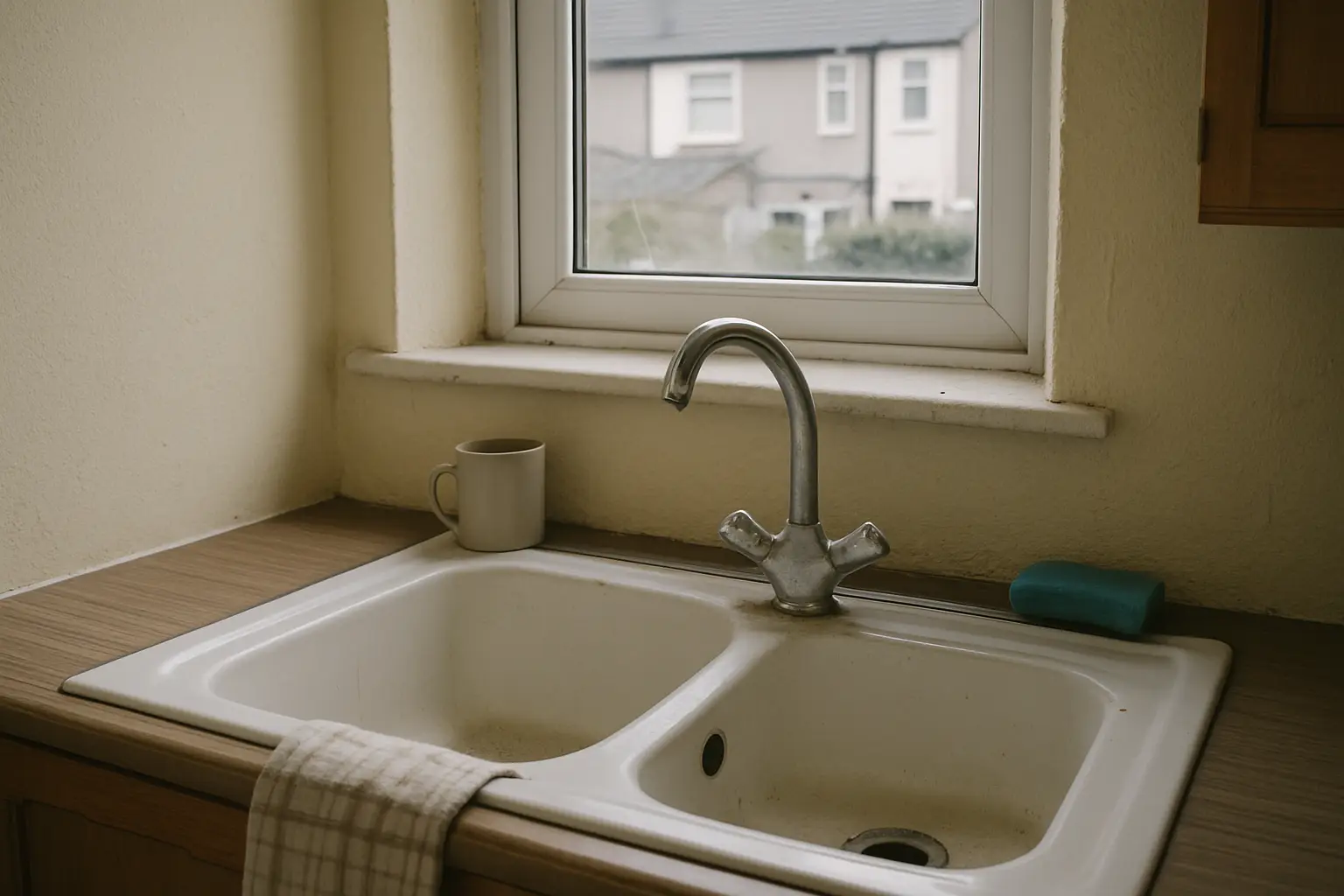
How to prepare for a deep clean comes down to three things: clear surfaces and floors so every area is actually reachable, put away or box up clutter room by room, and flag anything that needs special care before the cleaner arrives, a delicate fabric, a fragile object or an appliance you would rather they did not touch. It also helps to confirm beforehand what is included, since a deep clean covers more ground than a routine tidy-up and the two are easy to mix up when you are booking one for the first time.
How to prepare for a deep clean: what it actually covers
A routine clean keeps on top of the surfaces you use every day: floors, worktops, bathrooms. A deep clean goes further into the areas a weekly clean tends to skip, skirting boards, inside the oven or fridge, behind and under furniture, light fittings, and built-up grime around taps and tiles. Because it covers more ground, it also takes longer, so being clear about which rooms and tasks you want covered before the appointment avoids confusion on the day.
Clearing and decluttering room by room
- Clear worktops, tables and shelves of loose items so surfaces can actually be wiped down properly.
- Pick up clothes, toys and other items from floors, particularly in bedrooms and living rooms.
- Empty bins around the house before the cleaner arrives rather than partway through.
- Move small, breakable or sentimental items somewhere safe if you would rather they were not handled.
- Put away documents, valuables and anything private, the same way you would before any tradesperson visits.
- Make sure there is a clear path between rooms so equipment like a vacuum or mop bucket can move through easily.
Rooms that need a bit more thought
Bedrooms benefit from a deep clean partly because dust and allergens build up in bedding, mattresses and soft furnishings over time. The Asthma and Allergy Foundation of America notes that regular washing of bedding, along with frequent vacuuming of carpets and upholstered furniture, is one of the more effective ways to bring allergen levels down. If anyone in the house has allergies or asthma, it is worth mentioning it. The US Environmental Protection Agency's guidance on indoor air quality points to a HEPA-filter vacuum and good ventilation as two of the more effective ways to cut down fine dust indoors, and it suggests leaving a room for a while during and after vacuuming if dust tends to bother you. Kitchens and bathrooms need a similar heads-up on anything specific, a self-cleaning oven function that should not be used with certain products, or a stone worktop that needs a pH-neutral cleaner rather than anything abrasive. In the kitchen, a deep clean usually reaches inside the oven and fridge, behind appliances that can be safely pulled out, and the extractor fan filter, which collects grease that a weekly wipe never quite shifts. In the bathroom, grout lines, the base of the shower screen and behind the toilet are the spots that build up the most over weeks of ordinary use, and worth pointing out if any of them are particularly bad.
What to flag before the clean starts
Say so upfront if you have noticed damp or mould, since that can need a different approach to a normal clean. Mention pets, since hair and dander often need extra vacuuming passes and some products are best avoided around animals. If there is something you do not want moved or cleaned, an antique on a shelf, an electronic item, artwork on the wall, say so directly. Do not assume it is obvious. If you have products you would prefer were or were not used, on natural stone, on a particular fabric, or for a personal sensitivity, say that before the appointment rather than during it.
Making access easy on the day
Confirm how the cleaner will get in and where they can park, especially if you will not be home for the whole appointment. Sort out hot water and electricity in advance, since a deep clean often relies on both, from the kettle for a quick rinse of cloths to power for a vacuum in every room. If you have pets, decide where they will be kept during the visit; a dog under everyone's feet in a small kitchen slows the job down and can stress the animal too. If anything about the property is unusual, a door that sticks, a fuse that trips easily, an alarm code the cleaner will need, leave a note. It saves time that would otherwise go on working it out mid-clean.
After the deep clean
A deep clean resets the baseline, but it does not stay that way without upkeep. A short weekly routine keeps the gap between deep cleans further apart: wipe down kitchen surfaces, give bathroom fixtures a quick pass, and run over the floors. Soft furnishings often need attention on their own separate timeline; our guide on dealing with stains on a fabric sofa covers what to do between full cleans, and preparing for upholstery cleaning is worth a look if a sofa or mattress needs more than a deep clean can cover. If the outside of the house, a patio or driveway, has built up its own grime, our guide on when to pressure wash a driveway covers timing and surface types.