
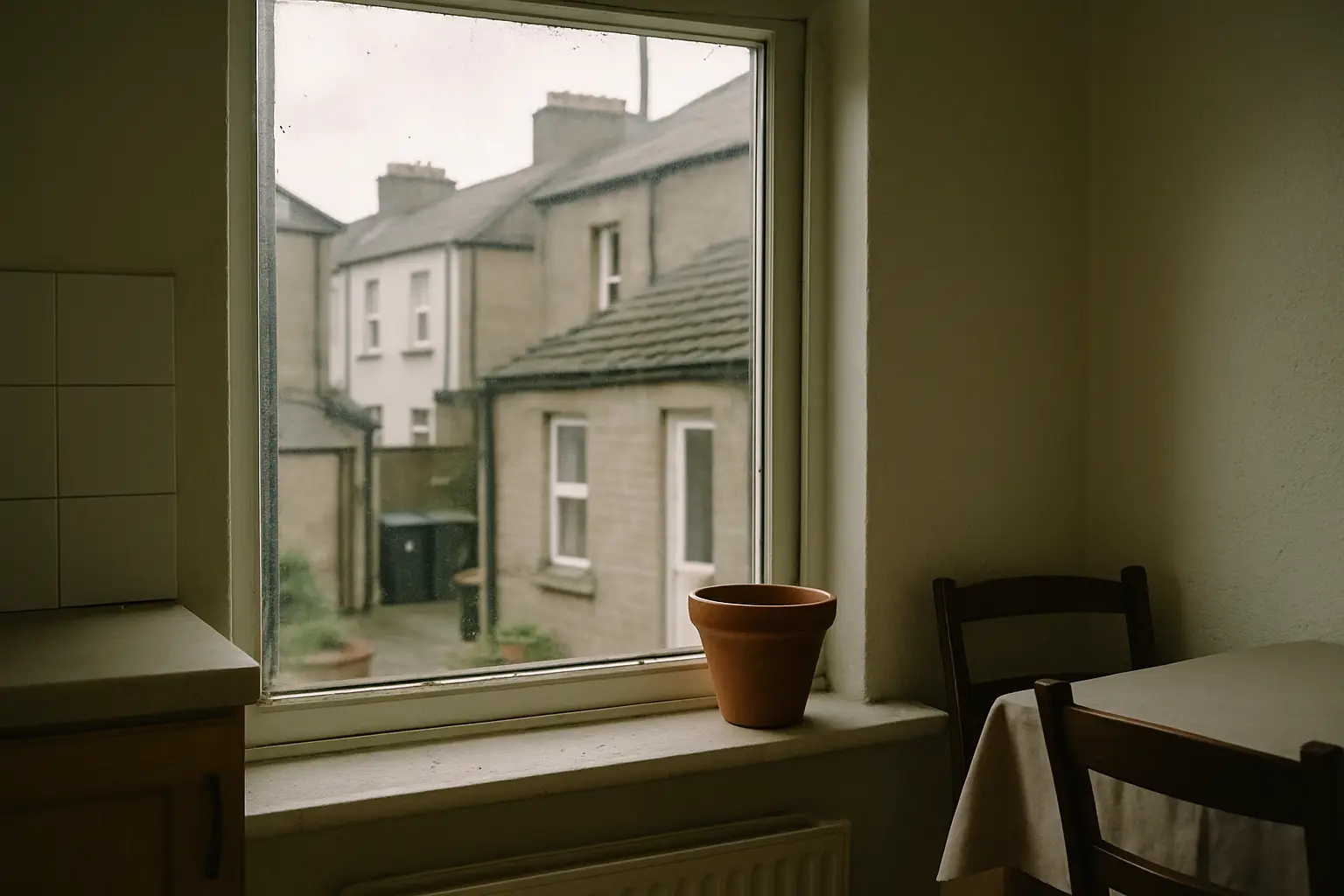
Here’s how to clean windows without streaks: dust the frame and glass first, pick a dull day instead of bright sunshine, and dry the glass with a squeegee or a dry microfibre cloth before any cleaning solution has a chance to dry on its own. Streaks are almost always leftover soap or mineral residue that dried onto the glass instead of getting wiped off in time. Once that’s clear, the rest of the method is just a few practical adjustments to how and when you work.
Why windows streak in the first place
Sunlight is the main culprit. When cleaning product dries on hot glass before you can remove it, it leaves a thin film that shows up as streaks or cloudy patches once the window is fully dry. The American Cleaning Institute and testers at Consumer Reports point to the same fix: clean on an overcast day, or work on the shaded side of the house, so the solution stays wet long enough to be wiped away properly.
Dirty tools make the problem worse. A squeegee blade coated in old grime, or a cloth that’s already saturated with dirty water, just spreads the mess across the glass instead of lifting it off. Hard water can add a separate problem: mineral deposits from sprinklers or rain that dry on the glass and leave a chalky spot no amount of wiping will shift, because it needs to be dissolved first rather than pushed around.
What you need before you start
You don’t need much equipment for a proper job, and most of it is reusable for years if you rinse it after each use.
- A squeegee with a rubber blade in good condition.
- Two or three microfibre cloths, kept separate from the ones used for floors or bathrooms.
- A soft brush or a vacuum with a dusting attachment for the frame and sill.
- A bucket of warm water with a few drops of dish soap, or a dedicated glass cleaner.
- A dry cloth or a sheet of clean newspaper for a final polish if you don’t have a squeegee.
How to clean windows without streaks, step by step
- Dust the frame, sill and glass with a brush or vacuum attachment so grit doesn’t turn into a paste once it’s wet.
- Mix warm water with a few drops of dish soap in a bucket, or use a dedicated glass cleaner.
- Apply the solution to the glass with a sponge or cloth, working from the top of the window down.
- Draw the squeegee across the glass in overlapping strokes, wiping the blade dry with a cloth after every stroke.
- Dry the edges and corners with a microfibre cloth, since the squeegee usually misses them.
- Step back and check the glass at an angle in the light. Streaks show up more clearly from the side than head-on.
Working from the top of the window down follows the same logic as cleaning a room the right order, top to bottom: drips land on a surface you haven’t finished yet, not one you have.
Choosing a cleaning solution
White vinegar diluted in water is a common choice because it cuts through grease and grime cheaply, and it can help dissolve the mineral spots left by hard water. In its own testing, though, Consumer Reports found that vinegar-based mixes can leave more streaking behind than a dedicated glass cleaner unless you’re thorough with the squeegee, so treat it as a budget option rather than the most reliable one. A simple dish soap and water mix, buffed dry properly, performs about as well as most shop-bought products for everyday grime.
Whatever you use, keep it off the frame. Pella’s care guidance points out that vinyl, wood and fibreglass frames can be dulled or damaged by strong or ammonia-based cleaners over time, so spray onto the cloth rather than the glass, or hold a piece of cardboard against the frame while you work near the edge.
The same top-down, wipe-it-before-it-dries logic applies to other reflective surfaces, including when you’re trying to clean stainless steel without streaks.
Common mistakes that cause streaks
- Cleaning in full sun, which dries the solution before it can be wiped off.
- Using paper towels or old tea towels, which leave lint and can smear dirt rather than lift it.
- Skipping the dry-dusting step, so grit turns into a paste that can scratch the glass.
- Soaking the glass with too much product, which just takes longer to remove fully.
- Cleaning the inside and outside at the same time and angle, which makes it hard to tell which side a stray streak is actually on.
- Letting the squeegee blade dry out between jobs without rinsing it, so old residue gets baked onto the rubber.
Cleaning high or awkward windows safely
Don’t lean out of an upper-floor window or overreach from a ladder to get at the far corner of a pane. Consumer Reports’ guidance on high windows favours an extendable pole with a squeegee or scrubber head for the outside of upstairs glass, worked from solid ground. If a window genuinely can’t be reached safely that way, it’s worth booking a professional rather than improvising with furniture or an unstable ladder.
Inside a stairwell or over a sloped roof, the same rule applies: if you can’t keep both feet on solid, level ground while you work, change the method rather than the level of risk you’re willing to take.