
A spring cleaning checklist works best when it follows a clear order: clear the clutter first, then work top to bottom through each room, and finish with a few outdoor and safety checks. Doing it in that order stops you cleaning a surface twice, once before the dust settles and again after. The list below breaks the job into the rooms most people tackle in spring, plus a few checks that are easy to forget.
What to include in a spring cleaning checklist
A useful spring cleaning checklist covers more than surface dusting. It includes sorting unwanted items, deep cleaning the kitchen and bathroom, refreshing bedrooms, and a short walk around the outside of the house. Working through the rooms in a set order keeps the job manageable, especially if you split it across a few weekends rather than one long day.
- Clear clutter and set aside items to donate, sell or recycle before you start cleaning.
- Dust from the top down: ceilings, light fittings, curtain rails and the tops of wardrobes.
- Deep clean the kitchen, including the oven, fridge and inside of cupboards.
- Deep clean the bathroom, focusing on tiles, grout, the extractor fan and the shower screen.
- Strip and wash bedding, turn the mattress if it allows it, and vacuum under the bed.
- Wash windows, sills and frames, inside and out.
- Check gutters, downpipes, outside bins and door mats, and clear any debris.
- Test smoke and carbon monoxide alarms and note when the batteries were last changed.
Declutter before you clean
Spring cleaning goes faster once the clutter is out of the way, so sort items into keep, donate, recycle and bin piles before you pick up a cloth. Furniture, small appliances and other large items in reasonable condition can often be reused or repaired rather than sent to landfill: My Waste, the national household waste awareness campaign, points people toward local reuse groups and the Community Reuse Network Ireland for passing on items that still have life in them. It is a smaller job to clean a room once the extra clutter has already left the house.
Kitchen and appliances
The oven and the fridge take the most time, so it helps to start there while you still have energy. Pull out shelves and racks and soak them separately, then wipe down the interior before it has a chance to dry hard again. Empty and wipe out cupboards while they are open, and check use-by dates on tins and dry goods you find at the back. If a full kitchen deep clean feels like too much for one afternoon, our guide on how to prepare your home for a deep clean breaks the job into smaller, more manageable sessions.
Bathroom, limescale and mould
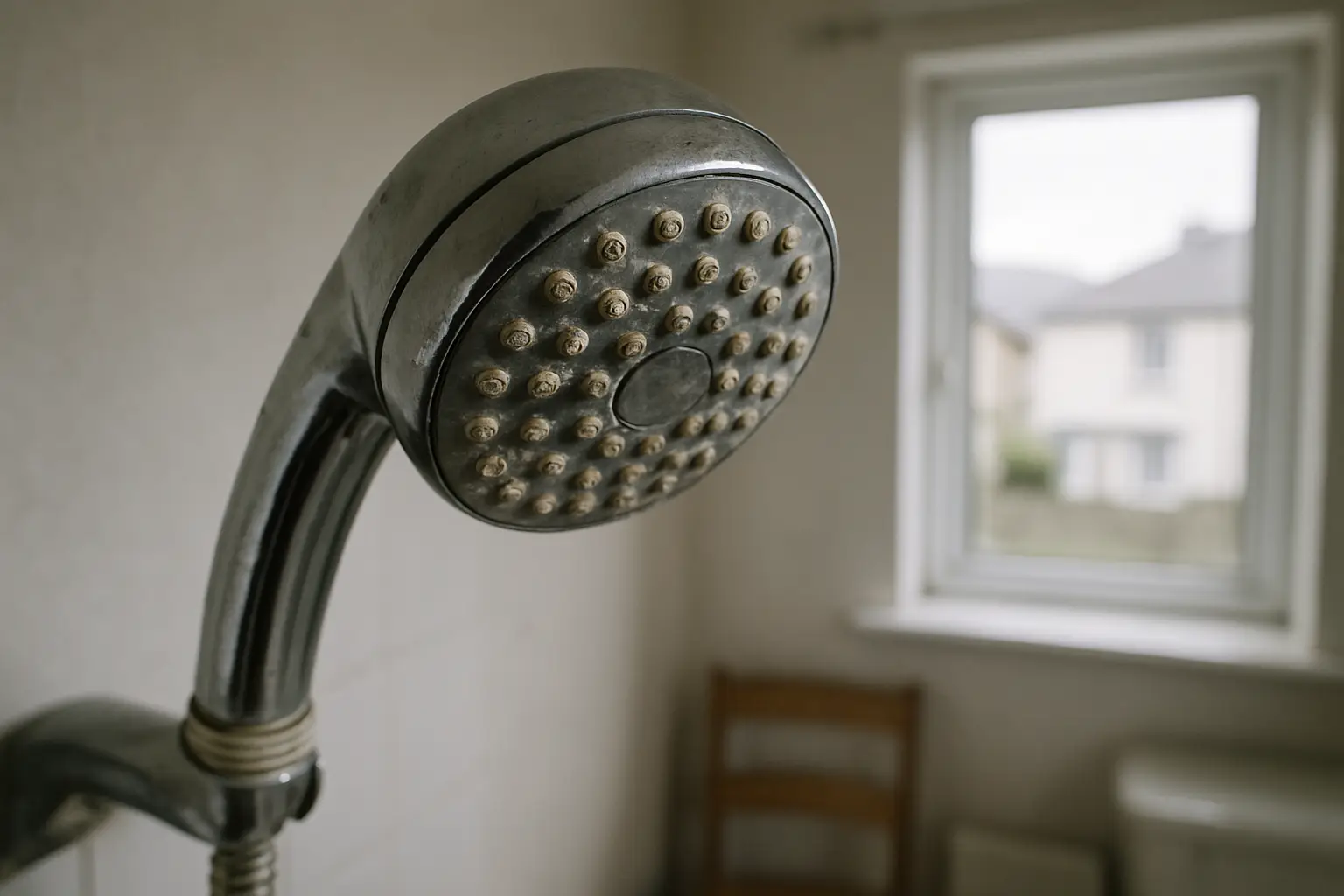
Bathrooms build up limescale and mould faster than any other room, mostly because of the moisture from showers and baths. Poor ventilation is a major driver of damp and mould indoors, and simple habits such as running the extractor fan during and after a shower, closing the bathroom door while it drains and opening a window afterwards make a real difference, according to UK government guidance on damp and mould in the home. Scrub grout and silicone sealant with a dedicated bathroom cleaner rather than mixing your own products, and never combine bleach with other cleaning chemicals: the fumes released can be dangerous.
Bedrooms, mattresses and allergens
Bedrooms collect dust mites in mattresses, pillows and soft toys over the winter months, and that build-up is a common trigger for allergies and asthma. The Asthma Society of Ireland recommends washing sheets, duvet covers and pillowcases at 60 degrees roughly once a week, vacuuming mattresses and soft furnishings with a HEPA-filter vacuum, and keeping soft toys to a minimum on a child’s bed. Turn or rotate the mattress if the manufacturer allows it, and open a window for a few minutes to air the room. Once the deep clean is done, a lighter routine keeps the same build-up from happening again; see our realistic weekly house cleaning schedule for what to repeat and how often.
Windows, gutters and outdoor checks
Once the inside is done, move outside while the weather allows it. Clean windows on a dry, overcast day, because direct sun dries the glass too quickly and leaves streaks. Clear leaves and moss from gutters and downpipes so spring rain can drain properly, and give door mats and outside bins a wipe down while you are out there. Do not climb onto a roof or lean a ladder against a gutter to clear it yourself; if the job needs working at height, it is worth booking help rather than doing it alone. Our guide on deep cleaning vs regular cleaning covers when a bigger, one-off job is worth booking rather than tackling it piecemeal.
While you are going room to room, test the smoke alarms and carbon monoxide alarms too. General fire safety guidance for the home recommends testing smoke alarms weekly by holding the test button until the alarm sounds, replacing the battery once a year, and vacuuming dust from the casing every six months. A carbon monoxide alarm is a separate device to a smoke alarm and should be fitted in any room with a fuel-burning appliance, such as a gas boiler or a stove.