
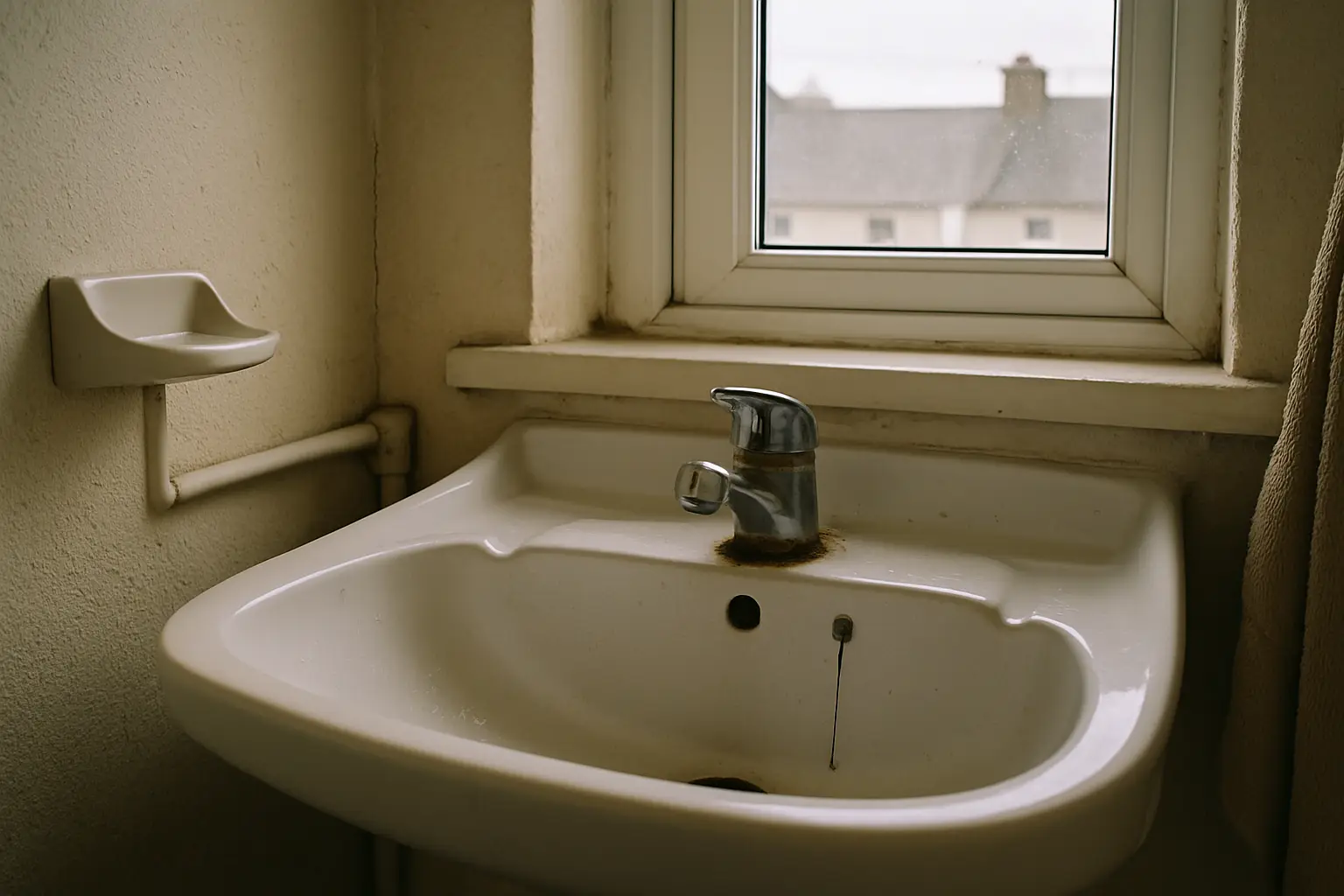
Deep cleaning vs regular cleaning comes down to depth, not just time spent. Regular cleaning keeps the surfaces you touch every day tidy: floors, kitchen counters, bathrooms, dusting and a quick vacuum. Deep cleaning goes into the jobs a weekly clean skips, inside appliances, grout lines, skirting boards, window frames, mattresses, so it works more like a periodic reset than routine upkeep. Most homes need both: a regular clean often, and a deep clean every so often to catch what routine visits can’t reach.
What regular cleaning covers
A regular (sometimes called standard or maintenance) clean focuses on the areas that get dirty fastest and matter most for day-to-day comfort. That usually means vacuuming and mopping floors, wiping kitchen counters and the hob, cleaning the toilet, sink and shower, dusting visible surfaces, and taking out rubbish. It’s designed to be repeated on a short cycle, weekly or fortnightly for most households, so mess never gets the chance to build up.
Because it’s routine, a regular clean doesn’t usually move furniture, empty cupboards, or get inside appliances. It keeps a home presentable, but it isn’t meant to reach the corners that only need attention a few times a year. Think of it as maintenance rather than restoration: it stops things sliding backwards between the deeper sessions, but it can’t undo months of buildup on its own.
What deep cleaning covers
Deep cleaning includes everything in a regular clean plus the tasks that pile up over months rather than days. The American Cleaning Institute’s room-by-room guidance points to jobs like cleaning inside the oven and fridge, wiping down cabinet fronts and the insides of cupboards, dusting ceiling fans and light fixtures, cleaning window glass and frames, and going along skirting boards and corners that a quick dust misses. In bedrooms, that extends to rotating or vacuuming the mattress and clearing out under-bed storage; in closets, it means taking everything out to wipe shelves properly rather than working around what’s left on them.
Why it matters for dust and allergies
The distinction isn’t just cosmetic. Dust mites and mould thrive in exactly the spots a regular clean tends to skip: mattresses, carpets, and anywhere humidity sits. NHS guidance on house dust mite allergy recommends vacuuming at least weekly with a HEPA-filtered vacuum, washing bedding at 60 degrees or using anti-mite covers, and keeping indoor humidity between roughly 40 and 60 percent by ventilating bathrooms and kitchens. Mayo Clinic’s allergy-proofing advice adds that reducing clutter and covering mattresses and pillows cuts down the surfaces where allergens collect. None of this replaces medical advice for anyone with a diagnosed allergy, but it explains why a deeper, less frequent clean earns its place alongside routine tidying rather than replacing it.
Deep cleaning vs regular cleaning: how often to book each
There’s no fixed formula, since it depends on household size, pets, and how a home is used. As a general pattern, a regular clean fits a weekly or fortnightly rhythm, while a deep clean makes sense a few times a year, more often in homes with pets, young children, allergy sufferers, or heavy daily use, and less often in a quiet, low-traffic home. Moving into a new home, ending a tenancy, or getting a home ready for a big change in season are natural points to book a deep clean, since routine cleaning alone won’t have covered those jobs recently. If you’re building a regular routine, our realistic weekly house cleaning schedule is a good place to start, and how often you should clean each room breaks the timing down further.
A room-by-room deep cleaning checklist
Use this as a starting list rather than a strict script. Adjust it to the rooms and appliances you actually have.
- Kitchen: clean inside the oven, fridge and microwave, degrease the extractor fan or hood filter, and wipe down the fronts and insides of cabinets.
- Bathroom: scrub grout and tile, descale the showerhead and taps, and clean behind and under the toilet.
- Bedrooms: rotate or vacuum the mattress, wash or air pillows and duvets if the care label allows, and clear and wipe under-bed storage.
- Living areas: dust ceiling fans, light fittings and the tops of doors and picture frames, and vacuum upholstery and skirting boards.
- Windows and frames: clean the glass, tracks and sills inside and out where it’s safe to reach.
- Closets and storage: take everything out, wipe the shelves, and sort items into keep, donate and discard piles before putting things back.
For a fuller walkthrough of getting ready for this kind of visit, see how to prepare your home for a deep clean.
Questions worth asking before you book
Ask whether a quote covers a regular or a deep clean, since the two aren’t interchangeable and mixing them up is the most common source of disappointment. Be specific about which rooms need the deeper work, whether appliances need to be moved, and whether any surfaces (natural stone, certain fabrics, older grout) need a gentler approach. Sharing that detail upfront helps an independent cleaner plan the visit properly instead of guessing on the day. It also helps to say when the space was last deep cleaned, if you know, since that changes how long the visit is likely to take and what needs the most attention.