
Getting your rental deposit back in Ireland comes down to leaving the property clean and undamaged beyond normal wear and tear, and keeping evidence of the condition you leave it in. There is no fixed legal deadline for a landlord to return a deposit, but Threshold, the national housing charity, recommends that under normal circumstances it should come back within 14 days of the tenancy ending. If a landlord withholds it unfairly, the Residential Tenancies Board (RTB) offers a free mediation service and a formal adjudication service to resolve the dispute.
How to get your rental deposit back
Three things make the biggest difference: a clean handover, clear evidence, and asking for the deposit in writing. Clean every room to a similar standard as when you moved in, focusing on the kitchen, bathroom, floors and any appliances you used. Take dated, well-lit photos of every room, including close-ups of anything you repaired, before you hand back the keys, and keep a copy of the original inventory or check-in report if you have one. Then request the deposit back in writing, with your forwarding address and bank details, so there is a clear paper trail if the landlord takes longer than you expect.
What landlords can and cannot deduct
A landlord can retain part or all of a deposit to cover unpaid rent or utility bills, damage beyond normal wear and tear, an unhygienic or unsafe condition, missing or broken items, or insufficient notice if you left without giving the notice your tenancy required. The RTB defines normal wear and tear as the ordinary deterioration that happens from everyday living in a property over time, which is different from damage caused by neglect. A landlord who wants to deduct for repairs is expected to give you evidence justifying the cost, such as a receipt or an invoice, rather than an arbitrary figure.
Faded paint, worn carpet in a well-used hallway, or small marks from furniture standing in one place for years are generally wear and tear, not something a deposit should cover. A hole punched in a door, a burn on a worktop, or a carpet stained beyond cleaning are a different matter, and a landlord is entitled to deduct a reasonable repair or replacement cost for those. If you disagree with a deduction, ask exactly what it is for and how the figure was worked out before accepting or challenging it.
A practical checklist before you move out
- Compare the property against the original inventory or check-in report, room by room.
- Clean the kitchen thoroughly, including the oven, hob, extractor fan and inside of cupboards.
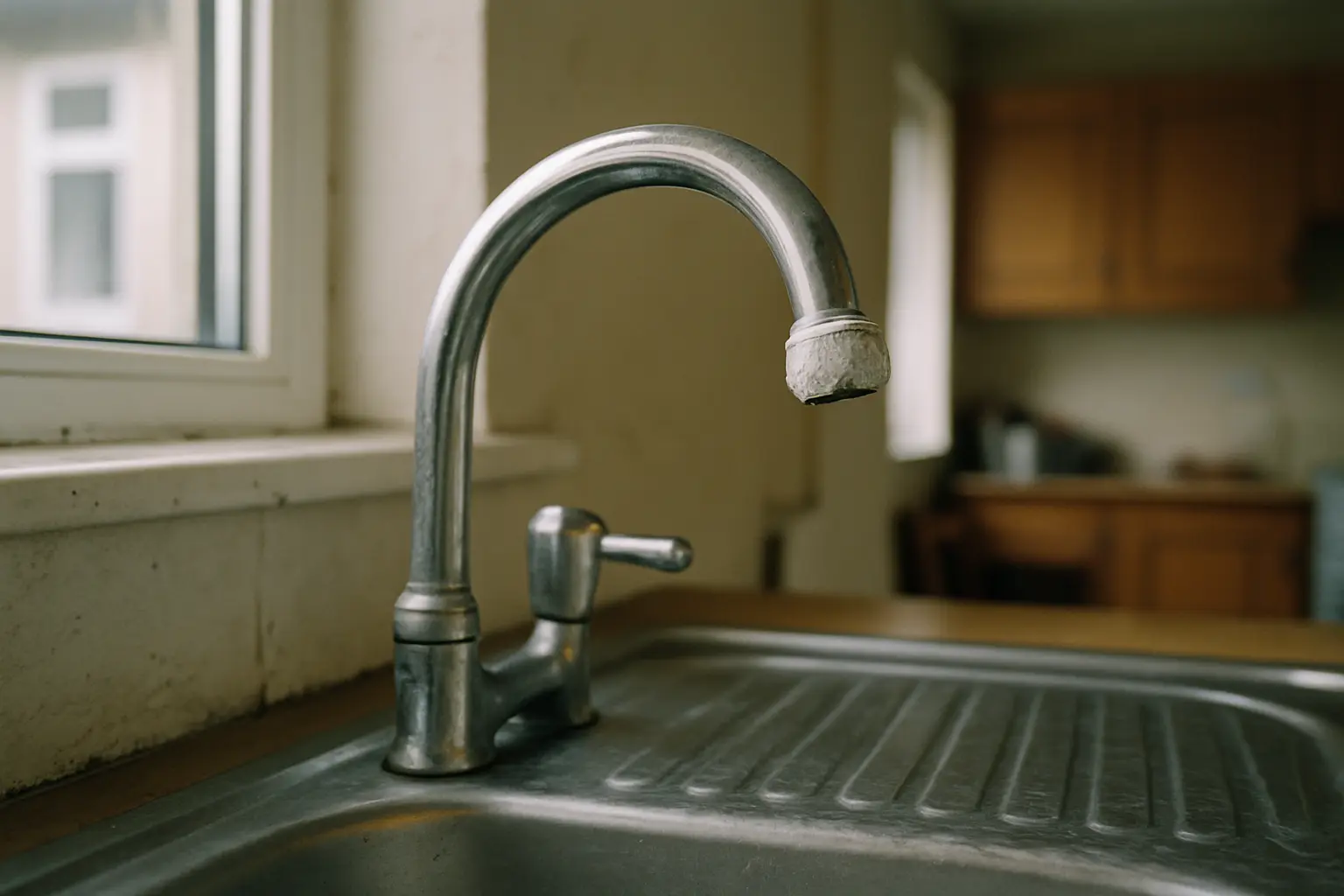
- Descale the bathroom, clean the grout and tiles, and remove limescale from taps and shower screens.
- Vacuum and mop all floors, and deal with any carpet stains you are responsible for.
- Remove all personal belongings and rubbish, including from any shed, attic or garden you used.
- Photograph every room from multiple angles, with a timestamp, on the day you leave.
- Give your landlord your forwarding address and bank details in writing when you return the keys.
How long a landlord has to return it
Irish law does not set a specific number of days for returning a deposit, which surprises a lot of tenants. Threshold’s guidance is that a landlord should return it as soon as possible once they have had a reasonable chance to inspect the property, and that 14 days is a reasonable benchmark in normal circumstances. If weeks pass with no explanation and no itemised reason for withholding it, that is a sign to raise the issue formally rather than keep waiting.
If your deposit is wrongly withheld
Start by asking the landlord in writing for an itemised explanation of any deduction, since a vague answer is often enough to resolve things once it is challenged directly. If that does not work, the RTB’s dispute resolution service covers deposit disputes for most private tenancies, offering both a free mediation service and a formal adjudication process for a fee. Any agreement reached through mediation, or a decision made through adjudication, is legally binding on both sides. For tenancies covered by the Residential Tenancies Acts, the RTB is generally the required route for a deposit dispute rather than the Small Claims Court, so it is worth starting there rather than elsewhere. Threshold also gives free, independent advice to tenants navigating a deposit dispute, which is worth using before things escalate.
Keep a simple paper trail from the start of the tenancy, not just at the end. A copy of the signed tenancy agreement, the original inventory, receipts for anything you paid to repair or replace, and any messages about the property’s condition all help if a disagreement comes up later. If you paid your deposit by bank transfer, that record on its own is useful evidence of the amount and date, which can matter if the figures are ever disputed.
Our end of tenancy cleaning checklist covers these move-out tasks room by room in more detail, and if the property needs a bigger push than a normal week’s clean, preparing for a deep clean is worth reading before your final inspection. If you are short on time before handover, posting a request lets an independent cleaner take on the parts you cannot get to yourself.