
Before you accept end of tenancy cleaning jobs in Ireland, confirm who is paying you, exactly which rooms and appliances are included, the property's condition before you start, your access window, and how you will prove the standard of your work afterwards. This type of job is judged against a deposit, not just a tidy-looking room, so the client's expectations and a landlord's idea of an acceptable standard do not always match. Getting the details agreed up front is what keeps a dispute over a few euro of your invoice from turning into a dispute over your reputation.
Who you are actually working for
An end of tenancy clean can come from a tenant trying to protect their deposit, a landlord preparing a property for new tenants, or a letting agent managing the changeover on someone else's behalf. Each one wants something slightly different. A tenant usually cares most about the areas a landlord is likely to scrutinise: the oven, bathroom grout, carpets and skirting boards. A landlord or agent is often more focused on getting the property re-let quickly, so they may want the whole unit brought to a lettable standard rather than just the spots a departing tenant is worried about. Ask directly who you are working for and what result they are trying to achieve, since that shapes which corners matter most.
Agreeing the scope of end of tenancy cleaning jobs, room by room
"End of tenancy clean" means different things to different clients, so do not quote from a one-line description alone. Confirm whether the job includes the oven and hob, the inside of kitchen cupboards and the fridge, windows and frames, carpets, and any outdoor space such as a yard or balcony. Ask whether the property is already empty of furniture or still occupied on the day, since an occupied property takes longer and limits which rooms you can access first.
- Kitchen: oven, hob, extractor fan, inside of cupboards and the fridge if it stays with the property.
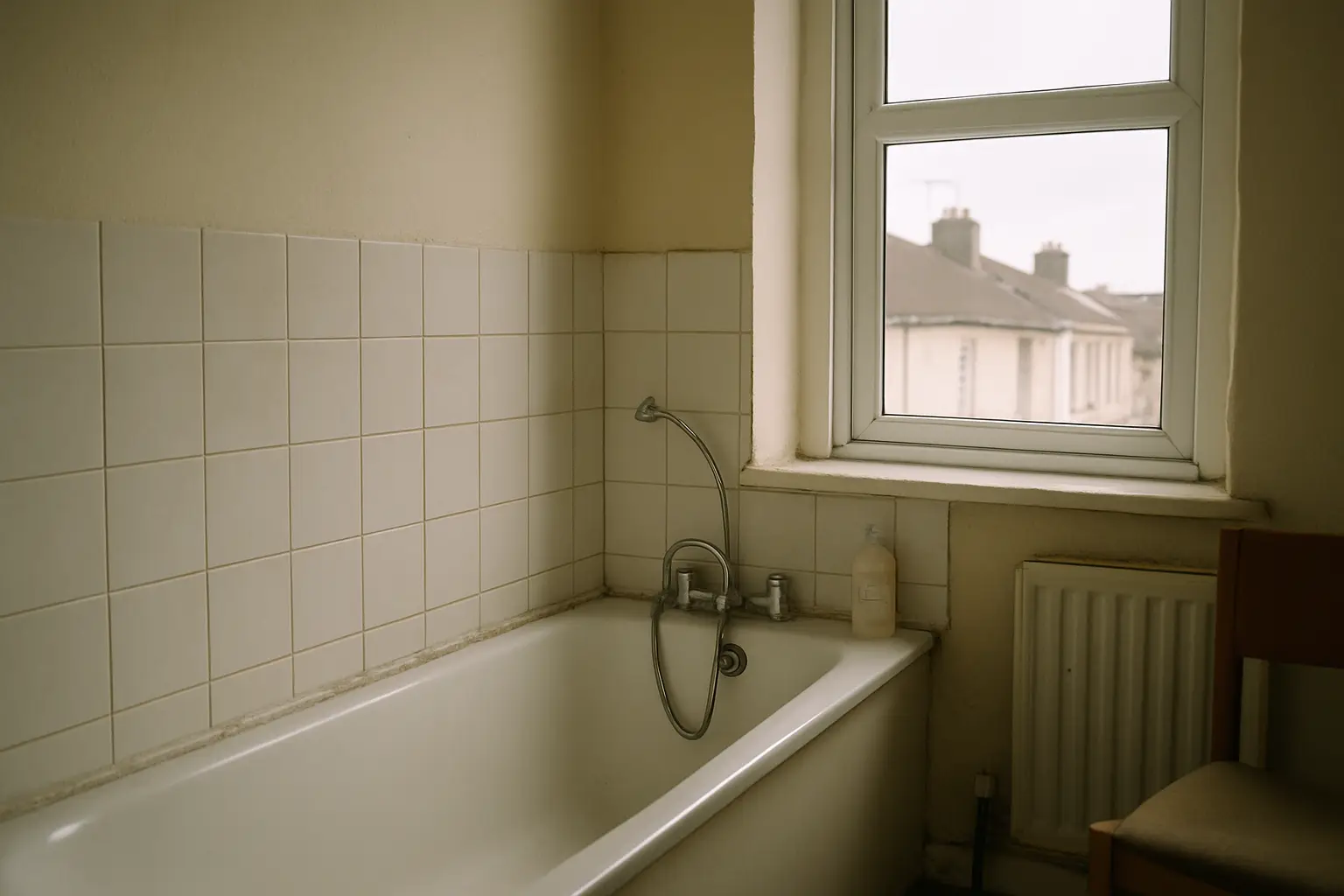
- Bathroom: descaling taps and shower screens, grout and tile lines, and behind the toilet.
- Floors: vacuuming and mopping throughout, plus any carpet stains the client wants treated.
- Windows, sills, skirting boards and light switches, which are easy to skip but often checked at inspection.
- Anything left behind by the outgoing tenant that needs clearing before you can clean underneath it.
Check the property's condition before you start
Photograph the property, room by room, before you touch anything. This protects you if a client later claims a mark or a scuff appeared during your visit rather than being there beforehand. It also helps you flag, in writing, anything that is damage rather than dirt, since a client may expect a stain or a scorch mark to disappear when in fact it needs a repair, not a clean. The Residential Tenancies Board draws a clear line between normal wear and tear, the everyday deterioration that comes from living in a property, and damage caused by neglect or an accident. A cleaner is not responsible for restoring damage, only for the level of cleanliness the job was agreed to cover, so noting the difference before you start protects both you and the client.
Timing, access and the handover deadline
End of tenancy jobs usually sit inside a tight window between one tenancy ending and another beginning, often on the same day the keys change hands. Ask exactly when you can get in, whether other trades or a final inspection are booked for the same day, and what time the property needs to be ready by. Threshold, the national housing charity, notes that a landlord is generally expected to return a deposit within a reasonable time once they have had a chance to inspect the property, often benchmarked around fourteen days, which is part of why landlords and agents push for a thorough clean on the handover day itself rather than leaving it until later.
Put payment and evidence in writing
Agree your price, what happens if the job runs longer than expected because the property was dirtier than described, and your cancellation terms if the booking falls through at short notice. The Residential Tenancies Board notes that a landlord who deducts cleaning costs from a tenant's deposit is expected to justify that cost with evidence, such as a receipt or invoice, rather than an arbitrary figure. That means your invoice and your before-and-after photos may end up being used as evidence in a deposit dispute you are not directly part of, so keep them clear, dated and itemised by room.
- Confirm who is paying you and get their name and contact details before the job, not after.
- Ask for a room-by-room description of what is included, in writing if possible.
- Photograph the property's condition before you start and again once you finish.
- Confirm your access window and what time the property needs to be ready.
- Agree your price and what happens if the job takes longer than expected.
- Ask whether an inventory or check-in report exists that you can check the property against.
- Give the client a dated, itemised invoice once the work is done.
Staying safe in an empty or unfamiliar property
An end of tenancy job often means working with products the previous tenant left behind rather than your own kit, sometimes in a property with the heating or ventilation already switched off. The Health and Safety Authority's guidance on chemical safety applies here as much as in any workplace: read the label on anything unfamiliar, never mix bleach with ammonia or an acidic product since that combination can release dangerous fumes, keep products in their original containers, and open a window before you start on a bathroom or kitchen. If you are unsure what a leftover product actually is, do not use it.
Our end of tenancy cleaning checklist sets out what tenants themselves are expected to leave behind, which is useful context before you quote a job, and how deposits get returned explains the dispute process your invoice may end up feeding into. If you are still building a steady flow of this kind of work, finding cleaning jobs in Ireland covers the channels worth trying first.