
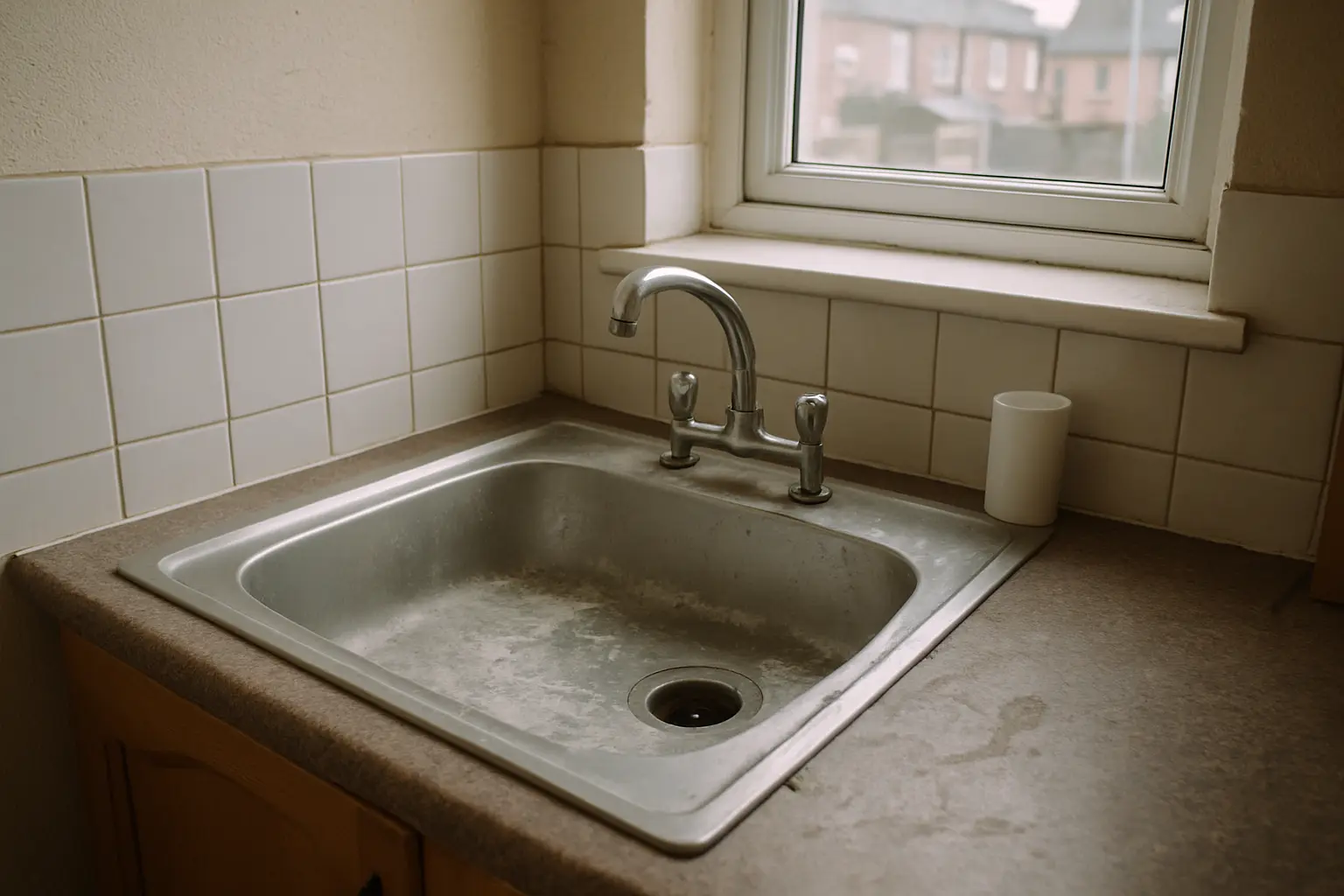
The first step in any after builders cleaning checklist is controlling the dust before you touch anything else: ventilate the room, avoid dry sweeping or compressed air since both throw fine dust straight back into the air, and vacuum with a machine that has a sealed filter, working from the top of the room down. Only once the loose dust is under control does it make sense to move on to wiping surfaces, cleaning glass and finishing the floors. Builders' dust, particularly from cutting concrete, block, tile or plaster, contains fine particles that health and safety guidance treats as a genuine respiratory hazard, not just mess to sweep up.
Why builders' dust needs a careful approach
The UK Health and Safety Executive's guidance on construction dust explains that fine dust from cutting or sanding materials such as concrete, stone and wood can be breathed deep into the lungs, and repeated heavy exposure over time is linked to conditions including asthma and other respiratory illness. That is the reasoning behind avoiding dry sweeping or a leaf-blower-style approach to shifting a fine layer of dust: it lifts the particles back into the air rather than removing them. A vacuum cleaner with a sealed HEPA filter, rather than a standard domestic model, is the safer way to lift fine dust without just recirculating it around the room.
After builders cleaning checklist
- Ventilate the space first, opening windows and doors if the weather allows, before you start moving any dust around.
- Vacuum ceilings, light fittings and the tops of walls before anything lower down, so settled dust does not fall onto surfaces you have already cleaned.
- Wipe down walls, skirting boards, door frames and windowsills with a damp cloth, rinsing it often so you are not just spreading dust around.
- Clean windows and glass last among the surfaces, since earlier dusting elsewhere often resettles on the glass.
- Vacuum floors thoroughly, including into corners and under any furniture that has been moved back, before mopping.
- Mop hard floors once the loose dust is gone, changing the water as soon as it turns cloudy rather than continuing with dirty water.
- Check air vents, radiators and the tops of doors and cabinets, since dust settles in places that are easy to miss on a first pass.
Protecting yourself while you clean
A basic dust mask, gloves and eye protection are worth having on hand for the dustier stages, particularly if you are vacuuming ceilings or disturbing dust that has sat undisturbed for a while. The HSE's guidance is aimed at construction sites rather than a homeowner tidying up afterwards, but the underlying point still applies at home: fine dust is easiest to manage by controlling it at the source, extraction, damping down, a sealed vacuum filter, rather than relying on a mask alone to filter what is already floating in the room. Keep windows open and take breaks in a dust-free room if you are working through more than one room in a single session.
Ceilings, walls and surfaces before floors
Working top to bottom matters more after building work than after a normal clean, because there is simply more dust sitting on every horizontal surface. Cleaning a floor first, then dusting a shelf above it, just means redoing the floor. Kitchen cabinets and worktops usually need a first pass to remove the bulk of the dust, then a second pass with a proper cleaner once the fine layer is gone, since a heavily dust-coated cloth mostly just moves the problem around rather than lifting it.
Soft furnishings and airborne dust
Curtains, rugs and upholstered furniture trap fine dust in a way hard surfaces do not, and shaking them out indoors just puts the dust back into the air you are trying to clear. Where possible, take rugs and curtains outside to shake or brush them, and vacuum upholstery with an attachment rather than wiping it. If a sofa or armchair has picked up ingrained dust or a mark from the building work, our guide on preparing for upholstery cleaning covers what to check before booking a proper clean for it.
Outdoor areas after building work
Building work often leaves cement dust, plaster or general debris on paths, patios and driveways too, and a normal sweep does not always shift it, especially once it has been rained on and bonded to the surface. Our guide on when to pressure wash a driveway covers timing and surface types if the outdoor areas need more than a brush and a hose.
When to bring in an independent cleaner
A small job, a single repainted room or a new radiator, is usually manageable yourself with a good vacuum and some patience. A full renovation, an extension or a whole-house refurbishment produces a different scale of dust entirely, often across every room at once, and that is when a proper after builders clean starts to make more sense than tackling it alone. It is worth treating it as its own separate job rather than folding it into a regular deep clean; see our guide on preparing your home for a deep clean for how the two differ in scope.